

 |
| Tales of early playground bullying? |
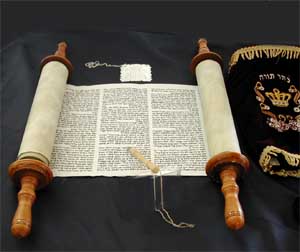
The Torah and the Bible recount a time when humans were far much more immature and, literally, younger.
Very rarely did anybody actually live much into their thirties, and ‘adulthood’ probably started around the age of 9 or 10.
We know that today’s 9 and 10 year olds are relatively stupid, naturally feral and live in a part of the ‘growing-up’ process that crosses from the child’s world of make believe and fantasies into the real world, mainly merging the two. Kids don’t suddenly shake off all their fantasies and become adults, it is a slow process. Most teenagers are in an annoying twilight zone just outside of reality.
It would be fair to assume that early Biblical times were mainly in the hands of teenagers – they were the adults of the day. That’s the age you were at when you took on the life and responsibilities of what might today be a late twenty-something’s role. Therefore the stories in the older parts of the Torah/Bible relate to the world as run by kids. This would explain why there is so much fantasy incorporated within the texts of these books. These are stories told about the partially fantasy world of teenagers. Not only was there a lot of meaningless aggression and testosterone fighting, a desperate need to control girls by force rather than consent, but their immature minds were still half-filled with the fantasies of childhood.
 |
| Written by children about teenagers? |
That’s the simple reason why the Torah/Bible read like a children’s fairytale book, except with a bit more death and destruction than we allow into children’s books in more modern sanitised times.
Having said that, of course, Victorian and ‘traditional’ children’s stories can be quite full of horrific tales of cruelty and nastiness, not too far removed from the tales in the Torah/Bible, so it took quite a long time before we reached the age of enlightenment we consider ourselves to be in today.
I guess the main different between the Torah/Bible and a modern fairytale is that lots of mature and otherwise sensible people believe its contents to be true.
You know, if somebody tried to tell me they seriously believed the tale of Cinderella was true, I’d think they were mad.
Shouldn’t we be treating those who take literally and believe the fairytales in the Torah/Bible in the same way?

 England's England