

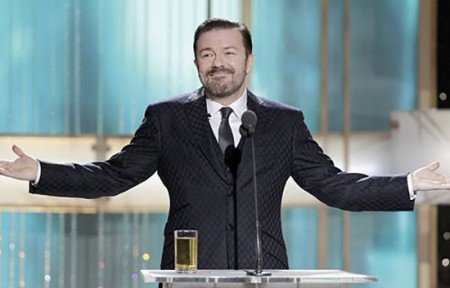
I was privileged enough to be eavesdropping on a conversation between a number of very well known actors recently. I don’t mean I’d hacked into their phones or anything sordid, officer, I was at an awards ceremony where sets of actors and directors show off in front of their peers every time they win something. All a bit pretentious really, but, hey, this is the way it is.
Anyway, I actually heard a conversation which was not shallow, false, or peppered with bitching. Well, mainly. It was about how to deal with critique, especially a very bad review.
What was interesting was how those that were in movies didn’t care so much because they had usually worked as directed, and the work would have taken place 18 months before the film had been released to the baying reviewers, so anything horrendous the reviewers might be saying about their performance related to the past not the present. However, what could be devastating to a performer was a harsh attack on a play or live show they might be in. Confidence can be so easily shattered by a few carefully constructed sentences, so how did they deal with them?
The consensus seemed to be that they never read the reviews, not even the good ones. Their ‘people’ keep them from them, or direct them to only occasionally reading (or watching) reviews that stroked their egos. They would be aware that they had been panned, but oblivious to the actual content. Because of the quite natural insecurities that the acting profession is burdened with, they are now taught from a very early point in their careers to avoid the negativity and lead a kind of sheltered life. Interesting.
In some ways this means they are kept out of touch with reality, but in other ways it means they retain their confidence to continue doing their job to the best of their ability.
I did muse and wonder if politicians do the same, as it is they who constantly receive an unceasing barrage of bile from the public or the commentators. Indeed, a politician who has done or said nothing will automatically be subjected to hate and a kind of cyber-bullying (or newsprint-bullying) from those who disagree with his or her politics. It must be very hard to be genuinely doing ones very best at representing a constituency and trying to make a difference when all that can be experienced is kind of AK47 bursts of ignorant hatred in return. Surely, like the actors, they must ignore it, too?
One of the reasons I very rarely read newspapers is because the content usually annoys me. Not that it’s ever about me or anything (The only negativity about me comes from some raving mad psycho who regularly tries to aggressively poke fun at anything I’ve written or blogged about, but I never ever actually read the content of his stuff either), but there was a time when papers, especially the local ones, were full of stuff about how people in my streets or neighbourhood were out to murder me, rape my daughter and steal my job. The drip drip feed of all of this used to make me terrified to go out into the street without six bodyguards. Then, I discovered I stopped being worried about it all the moment I stopped reading about it every day.
Avoiding newspapers, especially the local ones, enriched my life. I guess this is the nearest I can get to appreciating how these famous actors function. It doesn’t make my neighbourhood any safer, but since it’s nothing you can change or alter or have any control over, you just get on with your life without dwelling on it.
So, does ignoring the negativity make for better actors and better politicians? Probably. If they bowed to the pressure of their armchair critics and the campaigns of hatred, then all we’d have is a safe homogenised collection of performers and scaredy-cat representatives.
Indeed, nobody would dare to be different in order to make a difference! What a boring and unadventurous place it would be, with cinema being uninspiring and wooden if those bent on moaning about it got their way.

 England's England